





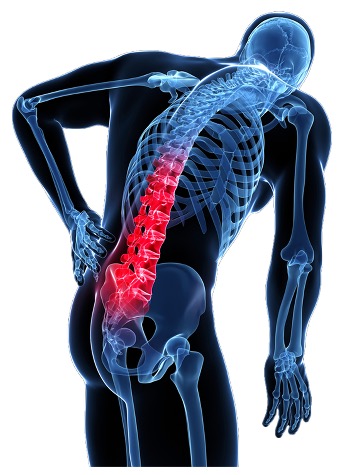
Spondylolysis, also known as a pars defect or stress fracture, is a condition where the pars interarticularis, a thin bone segment connecting two vertebrae, develops a stress fracture due to stress from repetitive movements, such as bending, twisting, or extension. The spine is composed of 24 small, rectangular vertebrae stacked to form a canal that safeguards the spinal cord. The lumbar spine, located in the lower back, is made up of five vertebrae. Each vertebrae has two pars interarticularis segments, one on the left and one on the right. Spondylolysis can occur in one or both sides of the vertebra. In severe cases the vertebra may be caused to shift out of place, a condition known as spondylolisthesis.
Spondylolysis refers to a defect in the pars interarticularis, while spondylolisthesis involves vertebral slippage. Spondylolysis is a common cause of low back pain in children and adolescents. Stress fractures in the lower back are common among adolescents engaged in high-impact sports like gymnastics, football, or weightlifting. This progression can lead to instability in the spine and may require medical attention.
Spondylolysis often has no symptoms, but when it does, back pain that feels like strained muscles is the most common complaint. Over time, this pain can extend into the thighs or buttocks. This pain often intensifies during physical activities or sports. Despite the discomfort, the pain rarely interferes with everyday tasks or routines. In some cases, spondylolysis affects the nerves, leading to muscle spasms or weakness, numbness, or tingling sensations. Symptoms can include pins-and-needles feelings or pain radiating to the back, neck, legs, thighs, or shoulders, depending on the affected area of the spine.
If a spondylolysis injury compresses a nerve root, it may trigger sciatica, a condition where pain originates in the lower back and extends down the back of one or both legs. This type of radiating pain is often sharp, shooting, or burning and may be accompanied by numbness or tingling sensations. Sciatica can interfere with walking, standing, or other daily activities, emphasizing the importance of proper diagnosis and treatment to relieve nerve compression and associated discomfort.
Surgical treatment for spondylolysis becomes an option when nonsurgical methods like bracing, physical therapy, corticosteroids, or rest fail. Surgical intervention aims to stabilize the affected vertebrae and provide relief from severe back pain





 Request A Call