
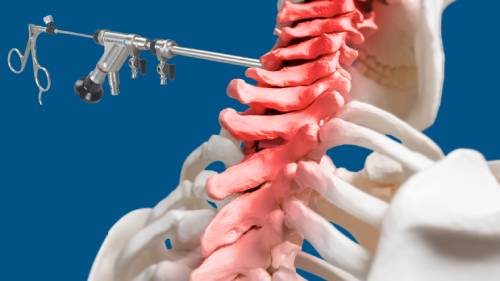
People experience deep frustration from neck pain which extends to their arms and hand numbness and their daily activities get interrupted by weakness. The symptoms affect many people who seek treatment through physiotherapy and medications and injections but they do not achieve permanent relief. Advanced disc decompression solutions provide a pathway to restore comfort and mobility when conservative care methods stop being effective.
Prospero Medical delivers contemporary spinal treatment through its specialized focus on minimally invasive methods. Our technique delivers relief from nerve compression while maintaining the cervical spine’s original stability. We assist our patients in secure and efficient complete endoscopic cervical fusion surgery turkey through our connections with top medical professionals and hospitals throughout Turkey.
This blog explains how cervical disc compression occurs, how minimally invasive decompression works, and what recovery looks like when you choose us for treatment abroad.
Understanding Cervical Disc Compression
The neck region contains intervertebral discs which function as shock absorbers between vertebrae while permitting neck mobility. The discs undergo degeneration and bulging and herniation processes as time passes or after an injury occurs. The symptoms develop when disc material exerts pressure on adjacent nerves or the spinal cord.
Common signs of cervical disc compression include:
- Chronic neck pain
- Radiating arm pain
- Numbness or tingling in hands or fingers
- Weakness in arms or grip
- Reduced neck mobility
Patients who come to our clinic usually arrive after they have spent several months attempting to heal through non-surgical methods that proved to be ineffective. The medical team recommends surgical decompression when a patient shows ongoing symptoms while diagnostic imaging shows evidence of nerve compression.
Our Minimally Invasive Disc Decompression Approach
Full endoscopic cervical disc surgery is designed to treat herniated discs, spinal stenosis, and degenerative cervical disc disease with the least possible tissue disruption.
The goal of surgery is simple and precise. We decompress the spinal canal or nerve exit pathways to remove pressure from nerves and the spinal cord. Unlike traditional open surgery, the endoscopic approach preserves most of the disc and surrounding structures. This helps maintain spinal stability and reduces recovery time.
This modern decompression method is often compared with other options such as cervical fusion surgery Turkey patients may consider or laser disc decompression abroad. However, endoscopic decompression offers the advantage of targeted nerve relief without large incisions or extensive bone removal in many suitable cases.
Who We Treat
We evaluate each patient individually to ensure the treatment is appropriate. Candidates for cervical disc decompression with us typically include people who have:
- Persistent neck or arm pain from a herniated or degenerated cervical disc
- Numbness, tingling, or weakness due to nerve compression
- Symptoms that have not improved with physiotherapy, medication, or injections
Some patients who have severe spinal instability or complex spinal conditions need special surgical methods. Our team provides transparent advice to select the most secure and effective solution for every situation.
How We Perform Endoscopic Cervical Disc Surgery
Our surgical partners perform this procedure using advanced endoscopic technology under general or local anesthesia with sedation.
The process usually needs one to two hours for completion which depends on the level of difficulty. A very small incision which is less than one centimetre wide, is made in the neck. A thin endoscope which contains a camera and light, is inserted through this opening.
This allows the surgeon to see the spine in magnified detail without a large incision. Specialised instruments are then used to remove the damaged disc material or bone structures pressing on nerves.
Key steps in our decompression procedure include:
- Precise identification of nerve compression
- Removal of herniated disc fragments
- Treatment of contributing structures, if needed
- Preservation of healthy disc and bone
- Verification of complete decompression
In some cases where instability exists, spinal fusion may also be considered. Our surgeons monitor the spinal canal throughout to ensure effective nerve relief before closing the small incision.
Preparing for Surgery With Us
Before travelling for treatment, we guide patients through a thorough medical assessment.
We request:
- Medical history and prior treatments
- Imaging such as MRI, CT, or X-rays
- Current medication list
- Relevant test results
- Additional screenings may entail blood tests or an ECG. A final surgical team meeting both confirms the treatment plan and answers all the patient’s questions.
- We strive to guarantee safety, clarity, and dependability prior to the operation.
Recovery After Cervical Disc Decompression
Speed of recovery is undoubtedly one of the most comforting factors of minimally invasive disc decompression. Since the tissue damage is minimal, the majority of patients have a much easier postoperative period compared with the traditional open operation
Typical recovery milestones include:
- A few hours to an overnight hospital stay
- Mild neck or shoulder discomfort is manageable with medication
- Return to light activities within days to weeks
- Avoid heavy lifting for several weeks
Physical therapy might be suggested to help strengthen the neck muscles and increase mobility. Complete recovery may take several weeks to months, during which time there is a gradual return to normal pain, numbness, and function levels.
We keep being part of our patients’ follow, up care. We continue to keep track of our patients for six to twelve months after they have gone back home to check that their recovery is on pace.
Post-Operative Care We Provide
Healing after disc decompression is a shared journey between our team and our patients. We guide every stage of recovery with clear instructions and ongoing support.
Key care recommendations include:
- Keeping the incision clean and dry
- Avoiding heavy lifting or neck twisting for four to six weeks
- Taking prescribed medication as directed
- Attending follow-up appointments
- Reporting any unusual symptoms promptly
- Our long-term follow-up approach ensures that patients never feel alone after surgery abroad.
Why Patients Choose Us for Disc Decompression Abroad
Turkey has become a global destination for advanced spine care. Through our partnerships with leading hospitals and surgeons, we offer a complete treatment journey combining expertise, technology, and patient-centred care.
Patients choose us because we provide:
- Highly experienced spinal surgeons
- Modern private hospitals with advanced equipment
- Personalised treatment planning
- Comprehensive aftercare
- Transparent pricing
- Ongoing remote follow-up
Beyond medical care, Turkey offers a supportive environment for recovery. Many patients appreciate the comfort, hospitality, and rehabilitation opportunities available during their stay.
Our role is to coordinate every detail so that treatment abroad feels safe, organised, and reassuring.
Comparing Disc Decompression Options
When exploring disc compression treatment, patients often encounter terms like cervical fusion surgery Turkey or laser disc decompression abroad. These procedures can be appropriate in certain cases.
However, full endoscopic cervical disc decompression offers unique advantages for suitable candidates:
- Minimal incision and tissue disruption
- Preservation of spinal stability
- Reduced scarring
- Faster recovery
- Targeted nerve relief
Our specialists carefully evaluate each case to determine whether endoscopic decompression alone is sufficient or whether additional stabilisation, such as fusion, is necessary.
Our philosophy is simple. We choose the least invasive, effective solution that restores comfort and function.
Our Commitment to Safe, Transparent Care
Choosing laser disc decompression abroad can feel overwhelming. We understand the importance of trust when patients travel for treatment.
At Prospero Medical, we prioritise:
- Honest medical advice
- Clear communication
- Realistic expectations
- Patient safety above all
- Transparent pricing
We help patients make informed decisions based on clinical need rather than marketing pressure. Our goal is always long-term spinal health and quality of life.
Your Path to Relief and Recovery
Cervical disc compression leads to sleep problems which affect work performance and daily activities. When conservative treatments fail, minimally invasive disc decompression can restore movement and relieve nerve pain.
The Turkey expert network enables us to deliver advanced endoscopic cervical disc surgery together with complete support from consultation through to long-term patient monitoring.
The treatment protects patients from surgery interruptions while delivering effective relief for their conditions. The process begins with our assessment of each patient which leads to customized recovery plans that ensure safe healing and complete restoration of movement abilities.
FAQs
1. What is cervical disc decompression surgery?
The procedure involves disc material and bone removal which presses on neck nerves. The operation is designed to alleviate pain and numbness as well as weakness resulting from nerve compression.
2. What sets full endoscopic cervical disc surgery apart from other surgical methods?
This technique involves only a very small skin opening to use an endoscope to get to the spinal column. The method results in quicker recovery because it keeps the spinal stability intact while it reduces tissue damage in comparison with traditional open surgical methods.
3. Who can have this surgery done?
Patients whose neck or arm pain, numbness, or weakness are due to a herniated or degenerated cervical disc, and these symptoms have remained after trying non-surgical treatment for a sufficient time.
4. Is cervical fusion necessary after all surgeries?
Not necessarily. A majority of patients can get treatment only with decompression. Fusion is only an option if there is a problem of instability in the spine.
5. How many hours does the operation last?
The operation generally takes between one and two hours, depending on the difficulty of the case.




 Request A Call