





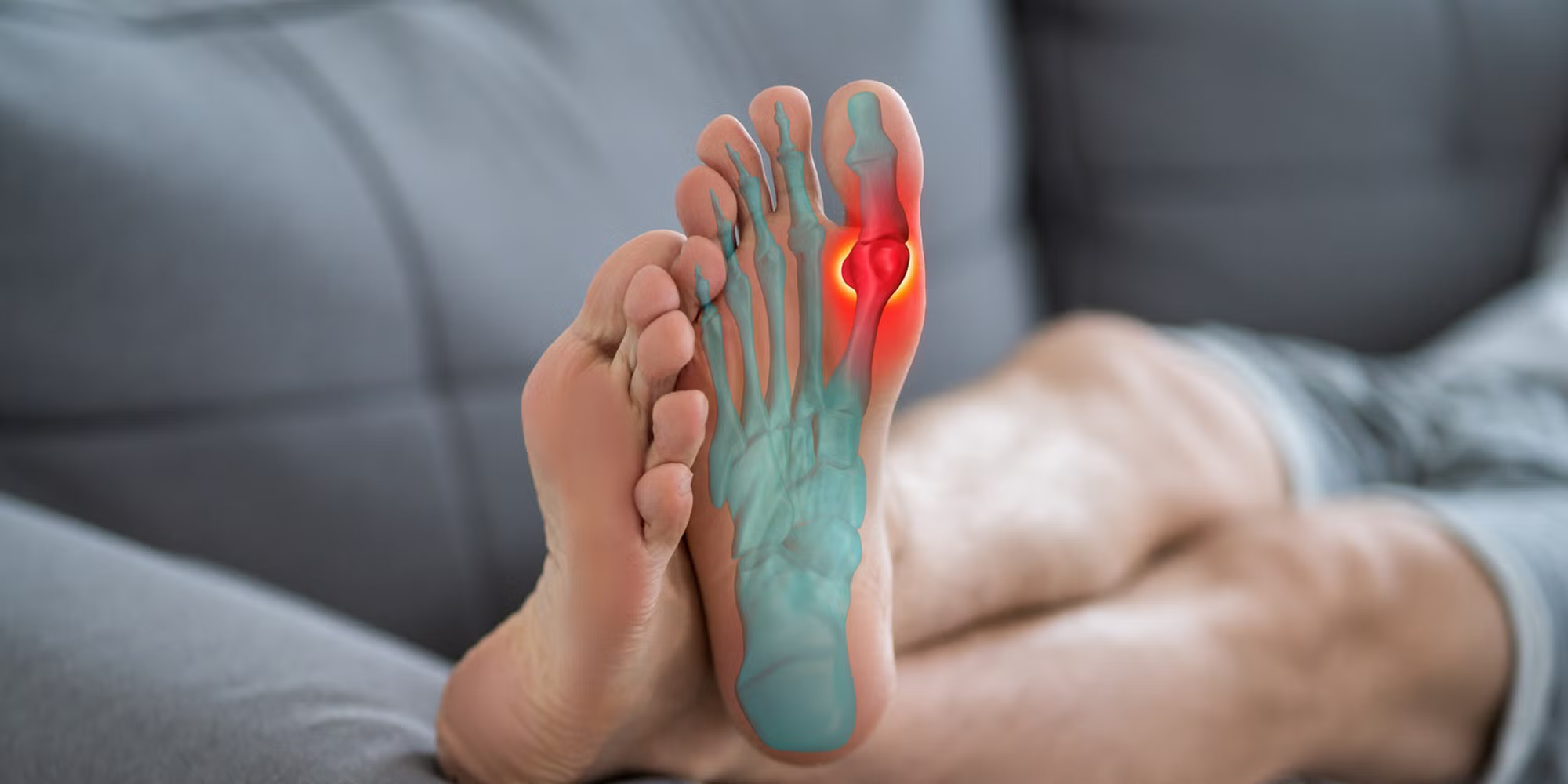
For anyone looking into surgery for big toe arthritis in the UK, the hallux rigidus surgery cost UK can be daunting. This blog will make everything clear for you, from the surgery to recovery and how Turkey is the perfect destination for this treatment.
What Is Hallux Rigidus?
“Stiff big toe” is also known as hallux rigidus. Hallux rigidus is a type of arthritis affecting the MTP (metatarsophalangeal) joint, which is the first joint of the big toe.
The metatarsophalangeal joint enables bending, gripping, and moving the toe while walking. Loss of cartilage in this joint causes bones to rub against each other, resulting in pain, swelling, and rigidity.
Bone spurs can occur after some time, leading to greater difficulty in movement and pain. Even simple things like walking, climbing stairs, and putting on shoes can become painful.
Who Needs Hallux Rigidus Surgery?
Surgery is not necessary for all patients. In milder cases, you can manage the condition with:
- Rigid flat-footed shoes with a large toe box
- Anti-inflammatory drugs, e.g., ibuprofen
- Steroids for inflammation
- Therapy & Orthotics
Surgery may be needed in the following situations:
- Pain continues even after trying other treatments.
- X-rays show that the joint is badly damaged.
- It becomes much harder to move around.
- Everyday tasks are often difficult to do.
Types of Hallux Rigidus Surgery
There are three main types of surgery. The best choice depends on how severe your condition is.
- Cheilectomy removes bone spurs and debris from the joint. This surgery can improve movement and is usually recommended for mild to moderate cases.
- Arthrodesis, or joint fusion, permanently joins the joint. This surgery takes away pain but also stops movement. It is often the best option for people with advanced arthritis or those who are very active.
- Arthroplasty, or joint replacement, swaps the MTP joint for a prosthetic one. This keeps the joint moving. More than 90% of these implants last over ten years.
How Is the Surgery Performed?
The surgery begins with making a tiny incision on the side of the big toe joint. Any worn-out cartilage, bone spurs, or injured tissues are taken out. After this, tiny screws or wires can be put into place to keep the bones together. The incision made is then stitched up.
The operation lasts for around an hour. It is done under local anesthesia, which means that you will be numbed only in the ankle or knee area.
Recovery: What to Expect
Recovery timelines vary by procedure:
- Cheilectomy and Arthroplasty: Patients wear a specialized shoe for about two weeks. Swelling can linger for several months.
- Osteotomy: Bones take up to three months to fully heal. Swelling improves within six to eight weeks.
- Joint Fusion: Patients wear a cast or boot for three to six weeks. Crutches provide additional support. Stiffness may continue for months, but long-term pain relief is excellent.
Post-operative key points include:
- Your stitches and bandages will usually be removed about two weeks after your surgery.
- Once your stitches are out, you can start wearing supportive shoes. Please avoid high heels.
- To help with swelling, keep your foot elevated and use ice packs as needed.
- Do the stretches and exercises your doctor recommended to help you recover more quickly.
- Try to avoid high-impact activities for the next few weeks.
- Let your care team know before you see any other specialists.
Why UK Patients Choose Turkey for This Surgery
The surgery cost for hallux rigidus treatment in the UK is relatively expensive, whether one uses the services offered by the National Health Service or those from private clinics.
Some of the reasons for patient preference for Turkey include:
- Qualified surgeons: A large number of Turkish physicians have performed highly complicated orthopedic surgery procedures.
- Modern facilities: The hospitals in Turkey are very advanced and comply with international standards.
- Low cost: Quality healthcare is provided at substantially low costs compared to the UK.
- No waiting periods: Appointments are made quickly and effectively.
- All-inclusive medical tourism packages: Many clinics include surgery, aftercare, and rehabilitation in All-Inclusive medical tourism packages.
- Personalized recovery: Physiotherapy and follow-up care are part of the treatment plan.
Understanding the Cost of Surgery in Turkey
The price should not be the sole consideration. A suitable clinic must have:
- Objective medical counseling
- Strong rapport between the patient and the clinic
- Prioritization of overall well-being
Realistic pricing includes:
- Clinic reputation and credibility
- Surgeon qualifications and expertise
- Procedure difficulty
- Terms and conditions
At Prospero Medical, we make sure our pricing is clear for every service. There are no hidden fees. Patients know exactly what they are paying for, from the first consultation to post-operative care.
Conclusion
If you also want a balance between the cost of the hallux rigidus surgery and quality, you should definitely consider Turkey as a destination. Experienced doctors, excellent hospitals, and low rates make Turkey a great choice when it comes to getting treated properly. Contact Prospero Medical today to schedule your consultation.
FAQs
1. What does the surgery for hallux rigidus cost privately in the UK?
The cost of surgery in the UK ranges from £4,000 to £10,000. The price may differ based on the complexity of the procedure, the surgeon’s level of expertise, and additional charges of the hospital where the procedure will be carried out.
2. Is the surgery for hallux rigidus painful?
No, the patients for this surgery are operated under general anesthesia. So, there is no pain.
3. How long does it take to recover from surgery?
Most people start to recover in 6 to 12 weeks, depending on the surgery. It can take a few months to fully heal.
4. Why is Turkey a popular option for this surgery?
Turkey is popular because it has skilled surgeons, modern hospitals, shorter waiting times, and much lower costs than the UK.
5. Will I regain full movement after the hallux rigidus surgery?
It depends on the type of surgery. Joint replacement helps keep movement, but joint fusion takes away pain and also limits how much you can move your toe.




 Request A Call