





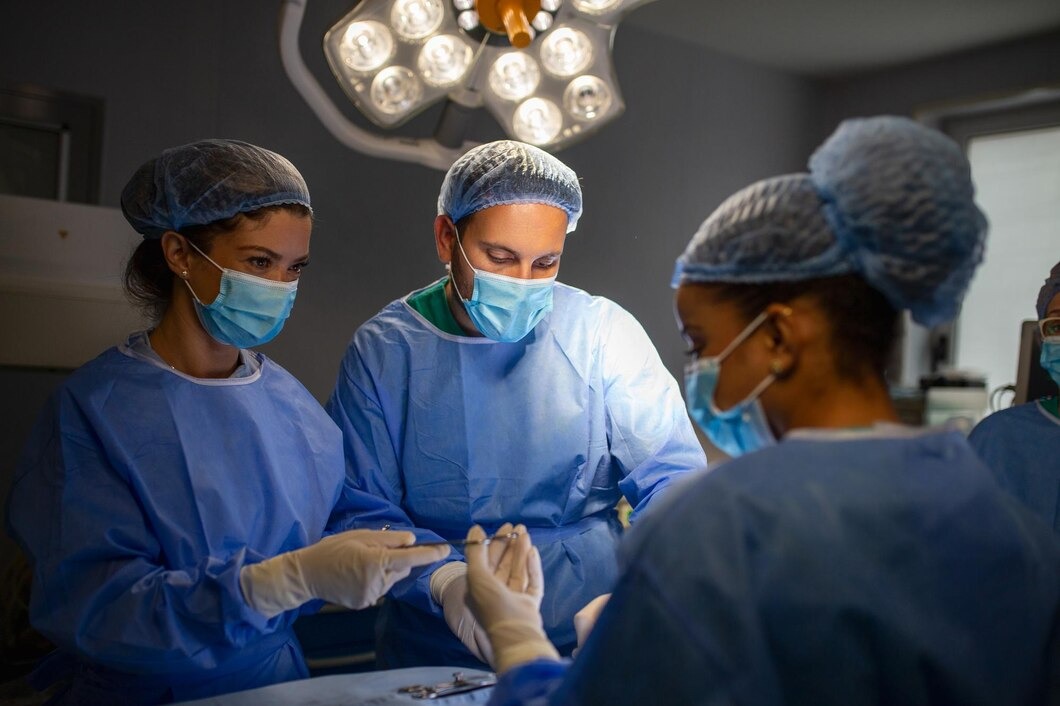
Welcome to Prospero Medical. Should you be researching Pectus Arcuatum surgery, commonly referred to as Currarino‑Silverman Syndrome, you’ve come to the right place. In this guide, we’ll take you through what characterizes this very rare chest deformity, how Advanced Pectus Arcuatum Surgery is undertaken, who is considered suitable, and why Turkey is the ideal place to receive treatment.
1. What Is Pectus Arcuatum?
Pectus Arcuatum is a rare congenital chest wall deformity. On the left side, the sternum juts forward (as in pectus carinatum), whereas the lower sternum bends inward (as in pectus excavatum). Also known as. The “horns of the steer” are due to early fusion of sternal sutures in development, resulting in a shortened, acutely angulated sternum with large upper ribs (particularly ribs 1–3). Most patients, in fact, have been asymptomatic during childhood, yet may, in adolescence, get shortness of breath upon exertion or chest pain.
Historically, people of these types had been considered to be associated with other congenital heart defects in a larger number, but today we know most have structurally normal hearts.
2. Why Surgery Is Often Necessary
Due to the nature of the deformity—both protrusion and depression—non-surgical treatments like bracing are not advised. Unlike pectus carinatum, bracing would generally worsen the shape. Hence, the majority of patients need a Ravitch-type open procedure modified, including double osteotomy (two incisions in the sternum) and contemporary titanium plate and screw fixation to stabilize the reconstructed chest wall. A hybrid operation, which can be an alternative, includes the removal of upper protruding ribs, partial cutting of the breastbone, and insertion of a Nuss bar to elevate the depressed segment. Surgical plans are different for every patient and are customized based on individual anatomy and requirements.
3. Who Is a Candidate?
Appropriate candidates are typically those with functional impairment (e.g., respiratory distress, chest pain) or aesthetic dissatisfaction secondary to combined chest wall protrusion and depression. Most patients have both pectus carinatum and excavatum characteristics and are seeking repair either for function or form. Since the chest wall is rigid, candidates are usually adolescents or adults; smaller children are not typically operated on until skeletal maturity has been achieved.
4. Our Surgical Methodologies
We at Prospero Medical collaborate with renowned thoracic surgeons in Turkey who are experts in correcting Pectus Arcuatum through the most innovative techniques:
- Modified Ravitch procedure: This incorporates double osteotomy of the sternum, repositioning, and fixation with titanium plates and screws, which minimize postoperative pain and enhance long-term results.
- Hybrid procedure: In appropriate cases, upper ribs are removed, partial sternum incisions are performed, and a Nuss bar is inserted to support the inward segment. This hybrid method achieves maximum correction with lesser invasiveness when feasible.
Average operative times are 3–5 hours, up to 6 hours in more complicated cases with extensive osteotomy or the use of multiple bars.
5. Why Turkey and Prospero Medical?
Reasons behind making Turkey a top destination for thoracic surgery:
- A world-famous thoracic surgeon faces multidisciplinary teams.
- High-tech, state-of-the-art hospitals with patient-oriented services.
- Reasonable prices for people who want quality treatment.
Prospero Medical collaborates with Turkey’s top hospitals and thoracic surgeons. From consultation to treatment planning, we coordinate, including complimentary quotes, bilingual patient care, and tailored aftercare so your experience is hassle-free. Our after-care doesn’t end at
hospital discharge: stay options range from purpose-designed recovery complexes in Istanbul or Izmir to bilingual advice and wellness services based on your individual needs.
6. The Patient Journey: From Consultation to Recovery
Step 1: Consultation & Assessment
You start with an online or in-person consultation. We gather medical history, imaging studies, and diagnostic testing. Surgeons examine CT scans and possible cardiopulmonary testing to make sure you are accurately assessed.
Step 2: Treatment Planning
Your surgeon recommends either the modified Ravitch method, the hybrid approach, or another procedure based on your chest anatomy and health profile.
Step 3: Surgery
In general anesthesia, the corrective procedure is done. Stabilization employs the most recent titanium fixation systems or Nuss bars, as per your plan. Surgical time is tailored to case complexity and is normally between 3 and 6 hours.
Step 4: Post‑Operative Care & Recovery
Post-surgery, you will be in an upscale private hospital, receive 24/7 bilingual services, and be under medical observation for early recovery. Physical therapy and follow-ups are organized as required. Based on the technical plan, removal of the bar can occur after approximately one year.
7. What Benefits You Can Expect
- Better breathing and less chest pain on exertion
- Better cosmetic appearance and self-confidence.
- Titanium plate fixation brings faster healing and less pain postoperatively
- Prospero’s all-inclusive packages of accommodation, aftercare, and chaperone assistance reduce stress during recovery.
- Lower total cost than most Western healthcare systems, without compromise on quality
8. Why Trust Prospero Medical?
We provide:
- A tried-and-tested network of accredited thoracic surgery experts in Turkey.
- A patient-led approach: open pricing, caring bilingual coordination, and follow-up far beyond your return home.
- A point of contact for UK consultations, care planning, arrangements, and aftercare assistance.
9. FAQs
- Is Advanced Pectus Arcuatum Surgery painful?
Discomfort postoperatively is minimized with our skilled teams and meticulous surgical methods. Titanium-based fixation decreases pain and facilitates healing.
- How long has the bar been in place?
Planning is individualized, but usually, the Nuss or fixation bar is taken out at a point about 12 months after surgery, depending on how the patient is healing.
- What about complications?
Complications are unusual. Our surgeons apply up-to-date techniques and individualized planning to reduce risks, and aftercare means early identification of problems.
- Do I really need surgery?
If you suffer from breathlessness, chest pain, or are unhappy with the chest look, correcting it surgically is usually the only viable option.
10. Ready to Move Forward?
If you are thinking about Pectus Arcuatum Surgery in Turkey, consult with Prospero Medical today for a free quote and consultation. We will lead you through each step: evaluation, planning, surgical intervention, recovery, and follow-up. At our clinics, we treat patients from all around the globe who believe that Turkey and we are a trustworthy choice for affordable and quality thoracic surgery.
Here at Prospero Medical, we promise you expert care and comfort and guaranteed results. Get in touch with us today—your road to better function and appearance begins here.




 Request A Call