





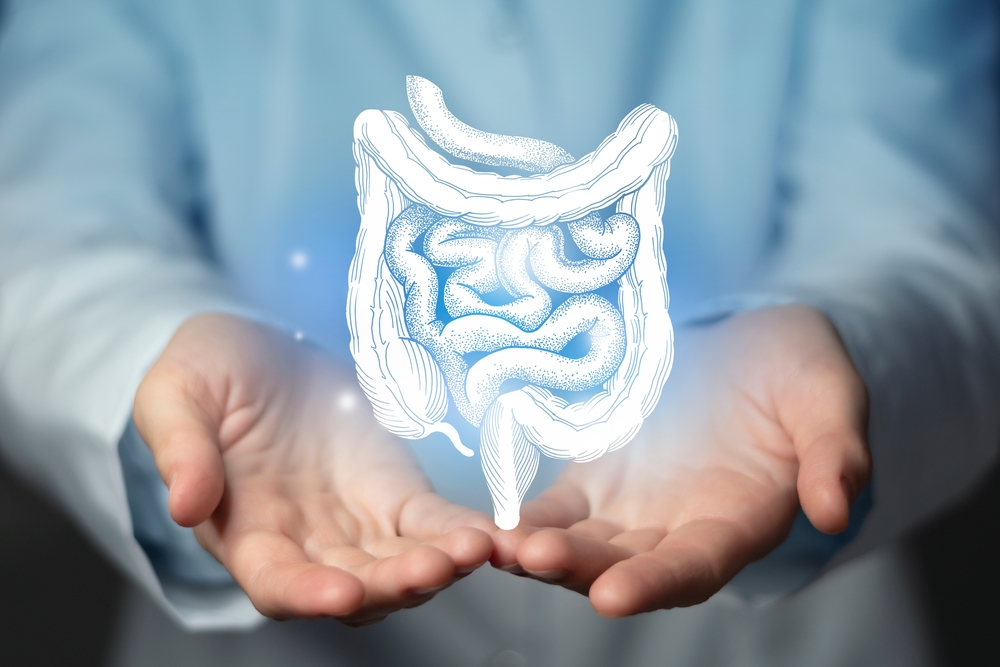
Colon cancer, also known as colorectal cancer, develops when abnormal cells in the colon grow uncontrollably and form malignant tumors. In most cases, the disease begins as small, non-cancerous polyps on the inner lining of the colon that gradually become cancerous if left untreated. Although colon cancer is highly treatable when detected early, the number of new cases continues to increase worldwide—especially among adults under the age of 50.
Why Colon Cancer Is on the Rise
One of the most significant healthcare trends today is the growing incidence of colon cancer in younger adults. Medical experts believe this increase is driven by a combination of lifestyle changes, dietary habits, obesity, environmental factors, and genetics.
Previously, routine colon cancer screening was recommended for people aged 50 and older. However, because cases among younger adults have increased, many international health organizations now recommend beginning screening at age 45 for individuals at average risk. Those with a family history of colorectal cancer or inflammatory bowel disease may need screening even earlier.
According to the World Health Organization (WHO), colorectal cancer is the third most commonly diagnosed cancer worldwide and the second leading cause of cancer-related deaths, making early detection and prevention more important than ever.
What Causes Colon Cancer?
There is no single cause of colon cancer. Instead, several risk factors work together to increase the likelihood of developing the disease.
Poor Diet and Processed Foods
A diet high in processed foods, red meat, processed meat, fried foods, refined sugars, and low in fiber has been linked to an increased risk of colon cancer. Regular consumption of fruits, vegetables, whole grains, and fiber-rich foods supports better digestive and colon health.
Obesity and Physical Inactivity
Being overweight or obese increases inflammation throughout the body and raises the risk of developing colorectal cancer. A sedentary lifestyle further increases this risk, while regular physical activity has been shown to help protect colon health.
Smoking and Alcohol Consumption
Smoking and excessive alcohol consumption damage healthy cells and significantly increase the risk of many cancers, including colon cancer.
Family History and Genetics
People with a family history of colorectal cancer or inherited genetic conditions such as Lynch syndrome or Familial Adenomatous Polyposis (FAP) have a higher lifetime risk and should discuss early screening with their healthcare provider.
Chronic Inflammatory Bowel Disease
Long-term inflammatory conditions such as Crohn’s disease and ulcerative colitis can increase the risk of colon cancer and require regular monitoring.
Age Is No Longer the Only Risk Factor
Although age remains an important factor, doctors are seeing increasing numbers of patients in their 30s and 40s diagnosed with colorectal cancer. This shift highlights the importance of recognizing symptoms early rather than relying on age alone.
Common Symptoms of Colon Cancer
While early-stage colon cancer may not cause symptoms, warning signs can include:
- Persistent changes in bowel habits
- Blood in the stool
- Rectal bleeding
- Abdominal pain or cramping
- Unexplained weight loss
- Fatigue or weakness
- Feeling that the bowel does not empty completely
Anyone experiencing these symptoms should seek prompt medical evaluation.
How Can You Reduce Your Risk?
Although not every case can be prevented, you can lower your risk by:
- Eating a balanced, high-fiber diet
- Limiting processed and red meat consumption
- Exercising regularly
- Maintaining a healthy weight
- Avoiding smoking
- Limiting alcohol intake
- Undergoing routine colon cancer screening based on your age and risk factors
Early screening can detect precancerous polyps before they become cancerous, significantly improving treatment outcomes.
Colon Cancer Treatment in Turkey
Turkey has become a leading destination for colon cancer treatment, offering internationally accredited hospitals, experienced colorectal surgeons, advanced diagnostic technologies, and modern minimally invasive surgical techniques. Patients receive comprehensive treatment plans tailored to their individual diagnosis, helping achieve the best possible clinical outcomes.
At Prospero Medical, international patients benefit from:
- Personalised treatment planning
- Access to experienced colorectal surgeons
- Modern hospitals with advanced technology
- English-speaking medical coordinators
- Fast access to treatment with minimal waiting times
- Comprehensive rehabilitation and aftercare services
Recovery and Aftercare with Prospero Medical
Successful colon cancer treatment extends beyond surgery. Prospero Medical provides a complete patient journey, including consultation, treatment coordination, recovery planning, and dedicated aftercare.
Patients recover at Mandarin Well-being in Urla, İzmir, where they receive medical supervision, regular follow-up appointments, rehabilitation support, and personalised care in a peaceful environment designed to promote healing and comfort.
Why Choose Prospero Medical?
If you are looking for trusted colon cancer treatment in Turkey, Prospero Medical combines expert colorectal specialists, advanced medical facilities, personalised care, and comprehensive aftercare to support every stage of your treatment and recovery. Our patient-centred approach ensures international patients receive high-quality healthcare with confidence, safety, and ongoing support.




 Request A Call